

Wish Park, also known as Aldrington Recreation Ground, is about to get a vibrant new lease of life, not just for residents, but for Brighton & Hove’s struggling pollinators too.
At the end of August, work begins to restore the park’s bee and butterfly bank, one of a city-wide network of wildflower banks designed to recreate Brighton’s rare chalk downland habitat. These “miniature meadows” are vital oases for pollinating insects like bees, butterflies, hoverflies, and even beetles, which in turn help keep local ecosystems healthy.
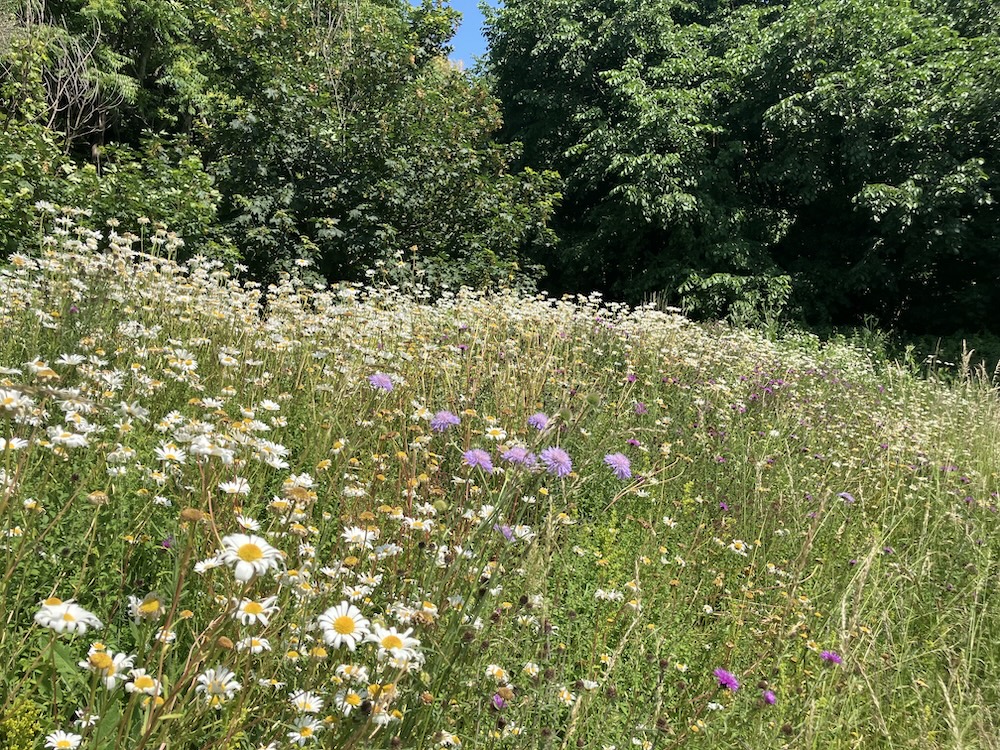
The project, part of The Living Coast UNESCO Biosphere’s Greening the Cities initiative, is supported by a Changing Chalk community grant successfully secured by the Friends of Wish Park. Between August 28 and September 5, the area will be fenced off and a short section of path temporarily closed while new plants are sown and a fresh information sign is installed.
And the effort is more than worthwhile, the city’s wildflower banks are already proving their worth. A recent survey recorded 554 species of invertebrates across Brighton & Hove’s network, including over 50 types of bees and 191 different plant species.
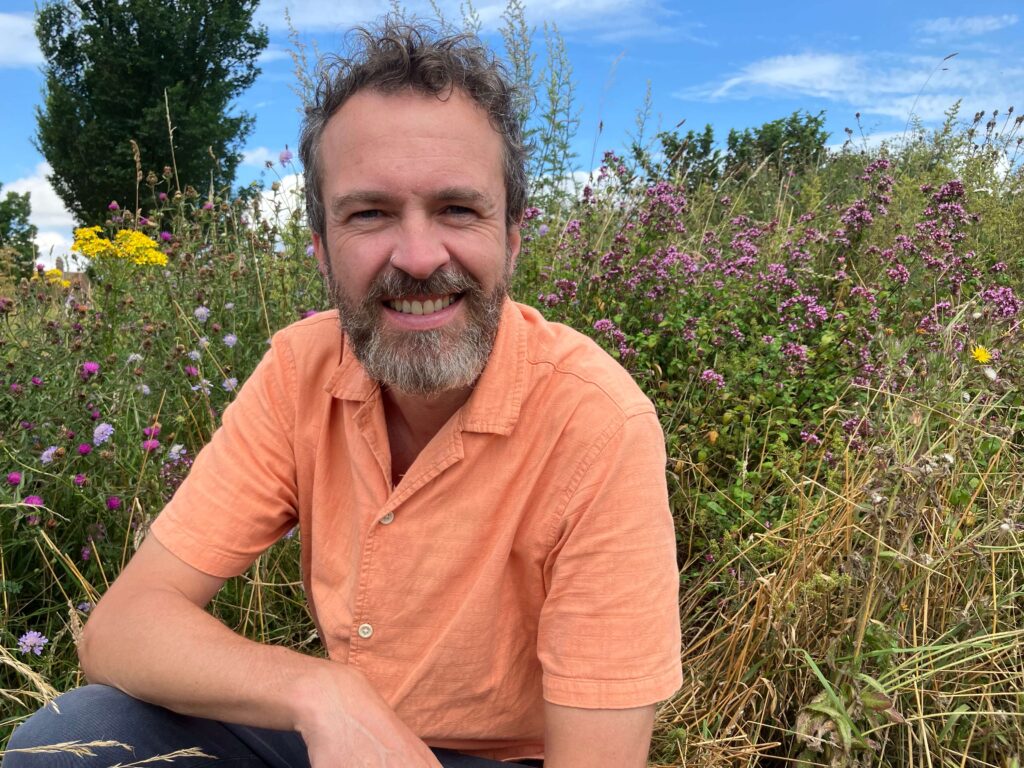
Councillor Tim Rowkins, Cabinet member for Net Zero and Environment, said: “It shows how beneficial creating wildflower-rich areas in an urban environment can be for our struggling pollinators, as well as bringing pocket-sized Downland habitats into the city for residents to explore and enjoy close to home.”
The restoration at Wish Park is just one part of a wider effort. In October, a brand-new wildflower bank will be created in Vale Park, Portslade, adding another biodiversity hotspot to the city.
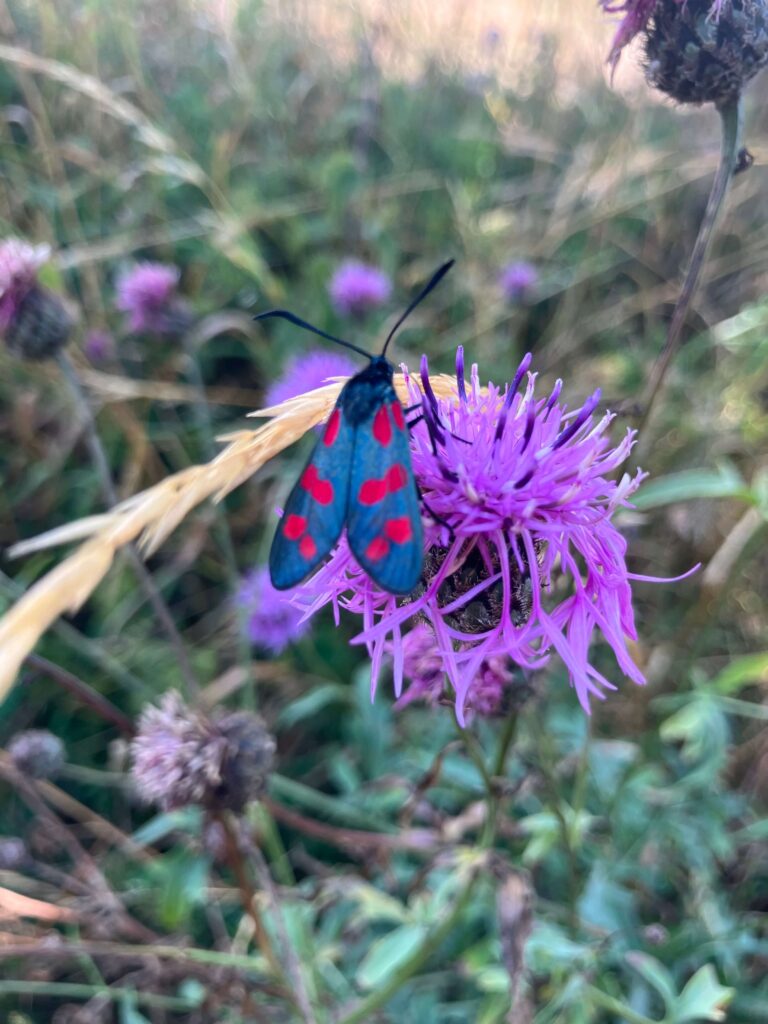
While the freshly planted bank may look a little bare at first, residents are encouraged to be patient, in time, it will burst into life, creating a colourful haven buzzing with wildlife.
The work also connects Brighton & Hove back to the wider story of the South Downs, where old chalk grasslands, one of the world’s rarest habitats, have been in decline for over a century. These biodiverse grasslands are home to hundreds of species, many now endangered. Projects like these are helping to restore what has been lost, piece by piece.
To find out more about the project, or even get involved in looking after your local wildflower bank, visit The Living Coast website.
